
Our research
A highly influential and far-reaching research department working at the cutting edge of computer science.
We have an established reputation for conducting fundamental and empirical research into the development and engineering of safe, ethical and secure computational systems for the amelioration of human life and conditions.
Computer science profoundly influences most industries – from healthcare to gaming to security. At the University of York we understand the extensive reach of computer science research and the interdisciplinary nature of many of the problems computer scientists tackle.

 - institutional message.jpg)
The Research Excellence Framework 2021
- We’re a UK top ten research department - according to the Times Higher Education’s ranking of the latest REF results (2021). Also, 100% of our research impact and our research environment is rated 3* or higher.
Our research groups
Our core research strengths reflect our expertise and understanding of interdisciplinary computer science research.










Impact and engagement
As well as making an impact within national and international research communities, our research influences developers and manufacturers across a range of industries and has a direct impact on the public.
Highlights
Centres
Our research centres span several departments and reflect how we collaborate with researchers from different subject areas.
These centres enable us to work across disciplines and with industry to tackle major challenges that face computer science.

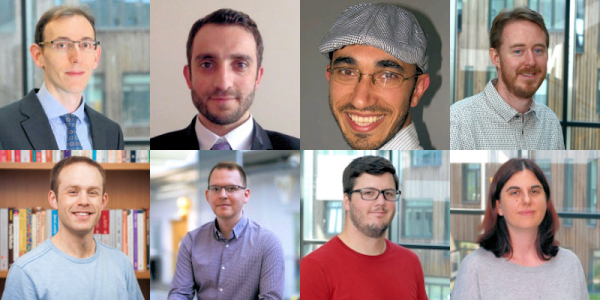
Meet our Early Career Researchers
The department has a number of academic staff who are in the early stages of their careers - either within eight years of their PhD award or within six years of their first academic appointment.
Find out about their careers so far and the types of research they do.